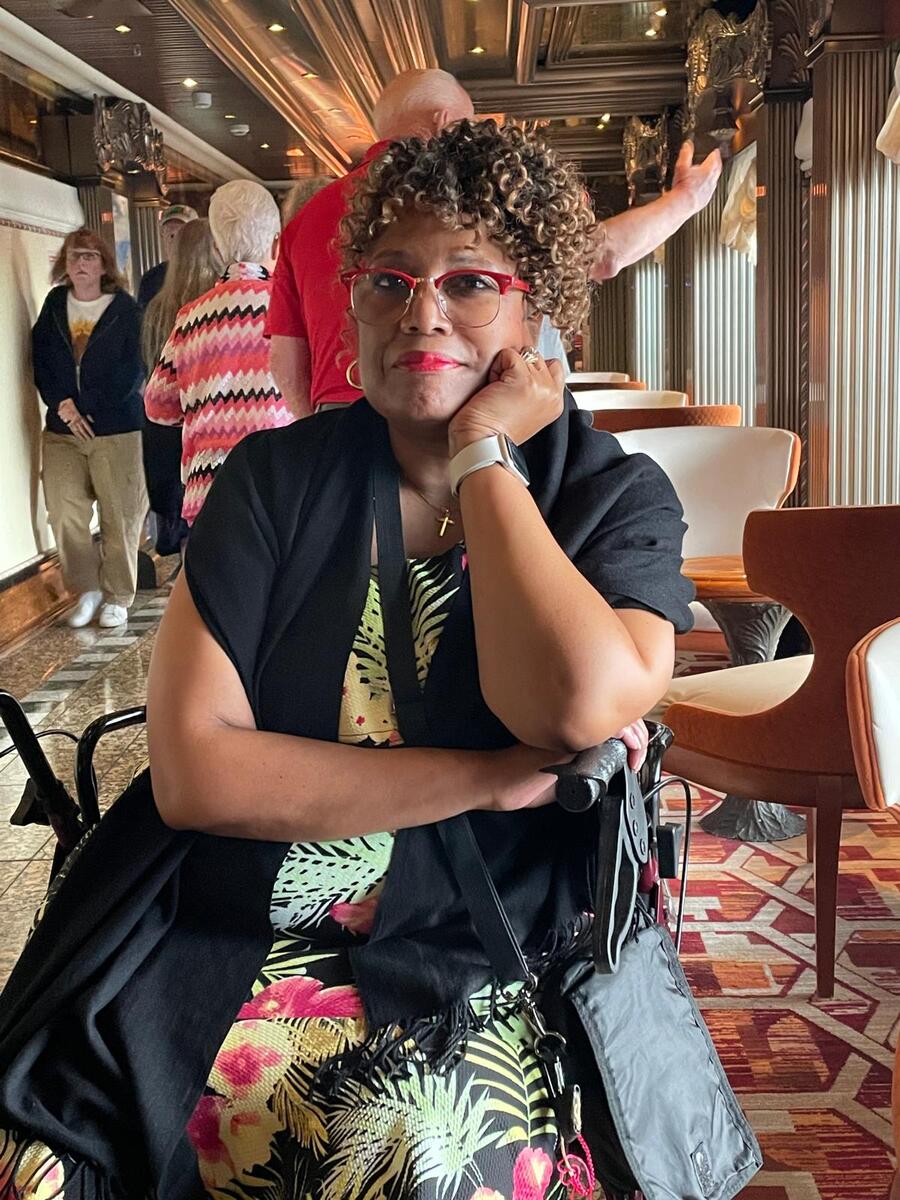
Leadership isn’t always about being composed, polished, or unshaken. Sometimes, it’s about leading through tears. For women and minorities in senior positions, the pressure to stay stoic can feel overwhelming—especially when the visibility of a single misstep feels magnified.
Linda Cureton’s experience as the first Black female Chief Information Officer at a cabinet-level agency underscores a powerful truth: vulnerability doesn’t diminish leadership—it strengthens it. In moments of crisis, the courage to show emotion can unlock resilience, clarity, and authentic influence.
Challenge 1: Breaking the “No Tears” Rule
For years, Cureton prohibited herself from crying at work. To her, tears equaled weakness and risked confirming stereotypes. But facing the weight of being one of only three Black executives—and the only woman—her prohibition was shattered.
Why This Matters
The higher you climb, the lonelier it gets. For underrepresented leaders, the visibility of failure feels like a career-ending spotlight. Tears can seem like confirmation of doubt.
The Reframe
Tears Are Not Defeat: They are signals of deep investment.
Clarity Through Emotion: Even through tears, leaders can communicate effectively.
Vulnerability as Connection: Tears remind colleagues that leadership is human.
Pro Tip: Tears don’t erase authority—they reveal authenticity.
Challenge 2: Leading Through a Failed Project
The crisis came during the rollout of an agency-wide help desk—a project disastrously undersized for 100 users instead of 100,000. The result? Response times measured in days, not minutes. Cureton was furious, frustrated, and in tears.
Why This Matters
Leaders face projects that fail despite meticulous preparation. What matters isn’t the failure—it’s the response.
The Reframe
Acknowledge the Emotion: Don’t bury frustration—channel it.
Refocus on Action: Cureton asked the key question: “What are we going to do about it?”
Shift the Lens: From being seen as the “angry Black woman” to being recognized as a leader who owned the moment.
Lesson Learned: Failure is temporary. Leadership presence is permanent.
Challenge 3: When Support Feels Like Cheerleading
In Washington, Cureton sought backing from executives she considered friends. Instead, she got indifference—“You win some, you lose some.” At a moment of crisis, she needed strategy, not cheerleading.
Why This Matters
Many leaders—especially women in high-profile roles—find themselves supported emotionally but not strategically. Empathy without action isn’t enough.
The Reframe
Redefine Support: Know the difference between encouragement and actual problem-solving.
Ask Directly: Specify the help you need—strategic, technical, or organizational.
Leverage What’s Offered: Even limited support can be converted into forward movement.
Key Insight: Cheerleaders are nice. Quarterbacks win games.
Challenge 4: Turning Frustration Into Fuel
After crying in the car, scratching off lottery tickets in Slidell, and returning to D.C., Cureton did what true leaders do—she regrouped. She met one-on-one with every project member, listened, and created an action plan to reset the project.
Why This Matters
Resilience in leadership is less about avoiding breakdowns and more about how quickly you pivot to recovery.
The Reframe
Reset, Don’t Retreat: Use the low point as a launchpad.
Engage Directly: Meet people where they are—in frustration, disappointment, or fatigue.
Build a Collective Action Plan: Leadership is never solo recovery.
Real Talk: Sometimes resilience is built not on scratch-off tickets, but on scratching out a new plan.
Challenge 5: Visibility as a Double-Edged Sword
As the only Black woman CIO at the cabinet level, Cureton knew that her failures would be seen as magnified. But she also understood that her visibility gave her story power—tears and all.
Why This Matters
For underrepresented leaders, visibility is both a burden and a platform. What you do in crisis sets the tone for those who follow.
The Reframe
Use Visibility for Impact: Let others see both the challenge and the comeback.
Model Resilience: Authentic stories of recovery inspire future leaders.
Define Legacy Through Action: Show that influence is measured not by perfection but by perseverance.
Leadership Hack: Visibility can expose—but it can also inspire.
Conclusion: The Strength of Tears in Leadership
Cureton’s story proves a simple truth: leadership doesn’t mean never crying. It means crying and leading anyway. In the face of failure, betrayal, and indifference, she found resilience by embracing authenticity and pushing forward with clarity.
Leaders don’t need to be invincible. They need to be real, resilient, and willing to show that tears don’t cancel leadership—they humanize it.
If you’ve ever been told “don’t let them see you cry,” remember this: your tears don’t erase your authority—they amplify your humanity. The next time you face a leadership crisis, lean into resilience, own your voice, and let your vulnerability become your strength.