Most of us know empathy as a personal quality—the ability to understand or even feel what another person is going through. But in leadership, empathy is more than a soft skill. It’s a management superpower.
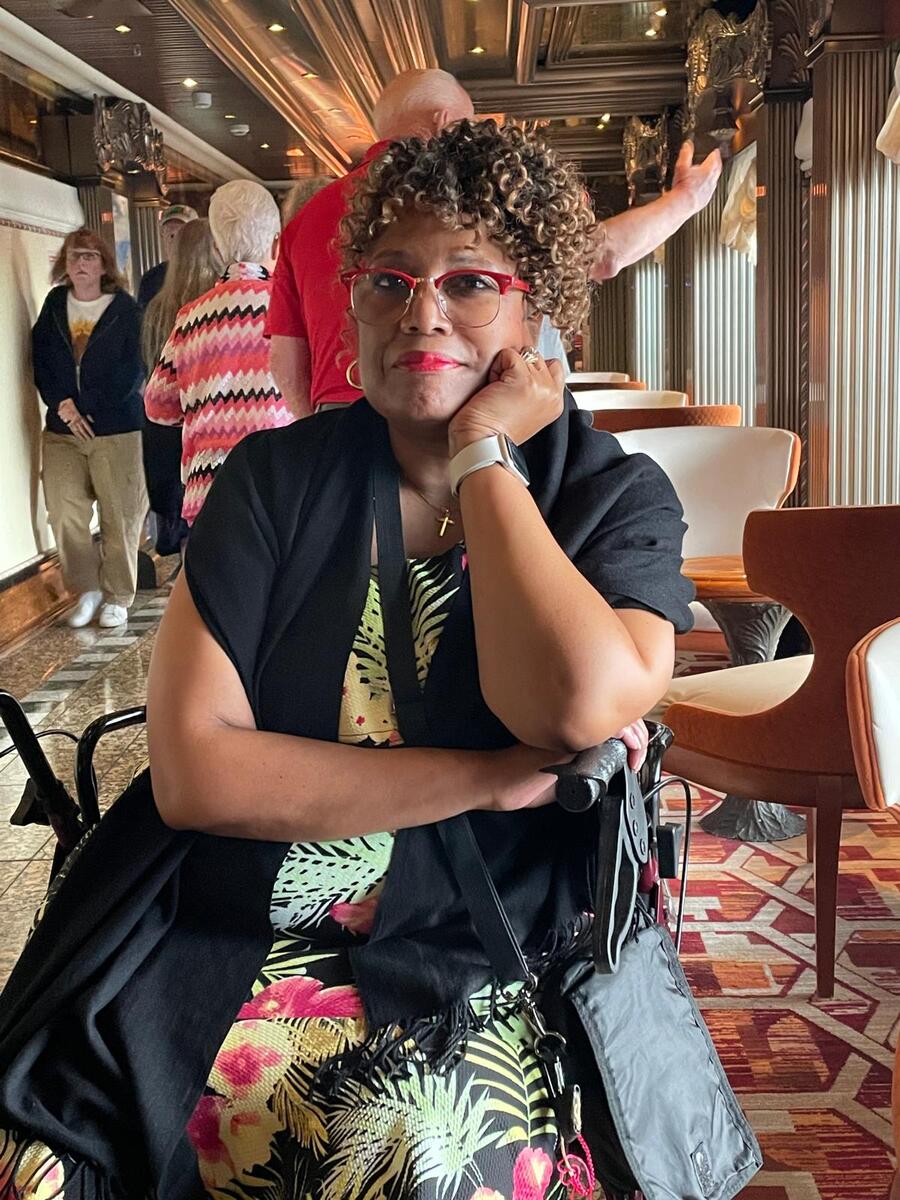
Linda Cureton’s story highlights that empathy can sometimes feel like a curse—absorbing the pain, frustration, and disappointment of others isn’t easy. Yet when used with discernment, empathy becomes a tool for building trust, fostering cooperation, and creating authentic relationships that last.
Challenge 1: When Empathy Feels Like a Curse
Empathy isn’t always comfortable. Leaders with high empathy don’t just observe others’ feelings—they often feel them as if they were their own. This can be draining, especially when surrounded by colleagues who are struggling.
Why This Matters
If you don’t know how to separate your emotions from those of others, empathy can feel overwhelming and even paralyzing.
How to Reframe
Discern the Source: Learn to distinguish your feelings from someone else’s.
Set Emotional Boundaries: Recognize what you can carry and what you need to release.
Transform Empathy Into Action: Channel what you sense into constructive strategies, not personal burdens.
Pro Tip: Feeling someone’s frustration isn’t the goal—helping them move through it is.
Challenge 2: Reading What’s Left Unsaid
In one story, Cureton describes sitting beside a peer and sensing despair. He hadn’t spoken, but her empathy told her something was wrong. She later learned he had been passed over for a deputy director role.
Why This Matters
Many colleagues won’t openly articulate their frustrations, especially in competitive or political workplaces. Empathy allows leaders to detect these undercurrents.
How to Reframe
Check In Gently: A simple question like, “How was your weekend?” opens the door.
Pay Attention to Atmosphere: Tone, silence, or body language often communicate more than words.
Respond as a Partner, Not a Customer: Support peers by walking alongside them, not treating them as transactions.
Key Insight: Empathy helps you shift from managing people to partnering with them.
Challenge 3: Turning Frustration Into Cooperation
When Cureton realized her peer’s lack of cooperation was rooted in unspoken frustration, she stopped approaching him as a customer and started treating him like a partner. That change built trust and improved collaboration.
Why This Matters
Without empathy, leaders risk mislabeling resistance as incompetence or defiance. With empathy, they uncover the real barriers to cooperation.
How to Reframe
Name the Frustration: Acknowledge it exists, even if unspoken.
Address the Root Cause: Support people in ways that ease their concerns.
Leverage Empathy for Strategy: Use insight into emotions to craft approaches that build trust.
Lesson Learned: Empathy doesn’t just make you kind—it makes you effective.
Challenge 4: The Light Side of Empathy—Peking Duck Moments
Not every act of empathy is heavy. In one instance, a colleague responded to Cureton’s tears not with a lecture or advice, but with an unexpected solution: “You need Peking Duck.” Minutes later, they were driving across the Potomac for lunch—and building a relationship of mutual trust along the way.
Why This Matters
Sometimes empathy isn’t about solving problems—it’s about presence, timing, and offering what the moment truly requires.
How to Reframe
Offer Relief, Not Always Resolution: Sometimes the solution is comfort, not correction.
Be Present in the Moment: What matters most is showing up authentically.
Use Humor and Humanity: Empathy can lighten the load as well as deepen the bond.
Real Talk: The best leadership tools don’t always look like tools—they sometimes look like lunch.
Challenge 5: Empathy as a Management Tool
At its best, empathy transforms leadership from transactional to relational. It builds bridges where there are walls, fosters cooperation where there is resistance, and humanizes the workplace in a way that strategy alone cannot.
Practical Strategies for Leaders
Listen Beyond Words: Pay attention to what isn’t said.
Practice Discernment: Learn when to lean in and when to step back.
Act on Insight: Use empathy to craft trust-building strategies that align with organizational goals.
Leadership Hack: Empathy isn’t weakness—it’s wisdom. It allows leaders to navigate both visible and invisible dynamics with clarity and compassion.
Conclusion: Empathy as Leadership Superpower
Empathy can feel like a curse, especially when you’re carrying emotions that aren’t yours. But when leaders learn to manage empathy with discernment, it becomes a powerful management tool.
It’s empathy that transforms colleagues into partners. It’s empathy that builds trust, fosters cooperation, and creates workplaces where people feel seen and valued. And sometimes, it’s empathy that reminds us that what a colleague really needs isn’t a solution, but simply Peking Duck.
This week, pause in one meeting and pay attention to what’s not being said. Ask a gentle question. Offer presence instead of performance. Remember: the small acts of empathy today may be the foundation of tomorrow’s trust.