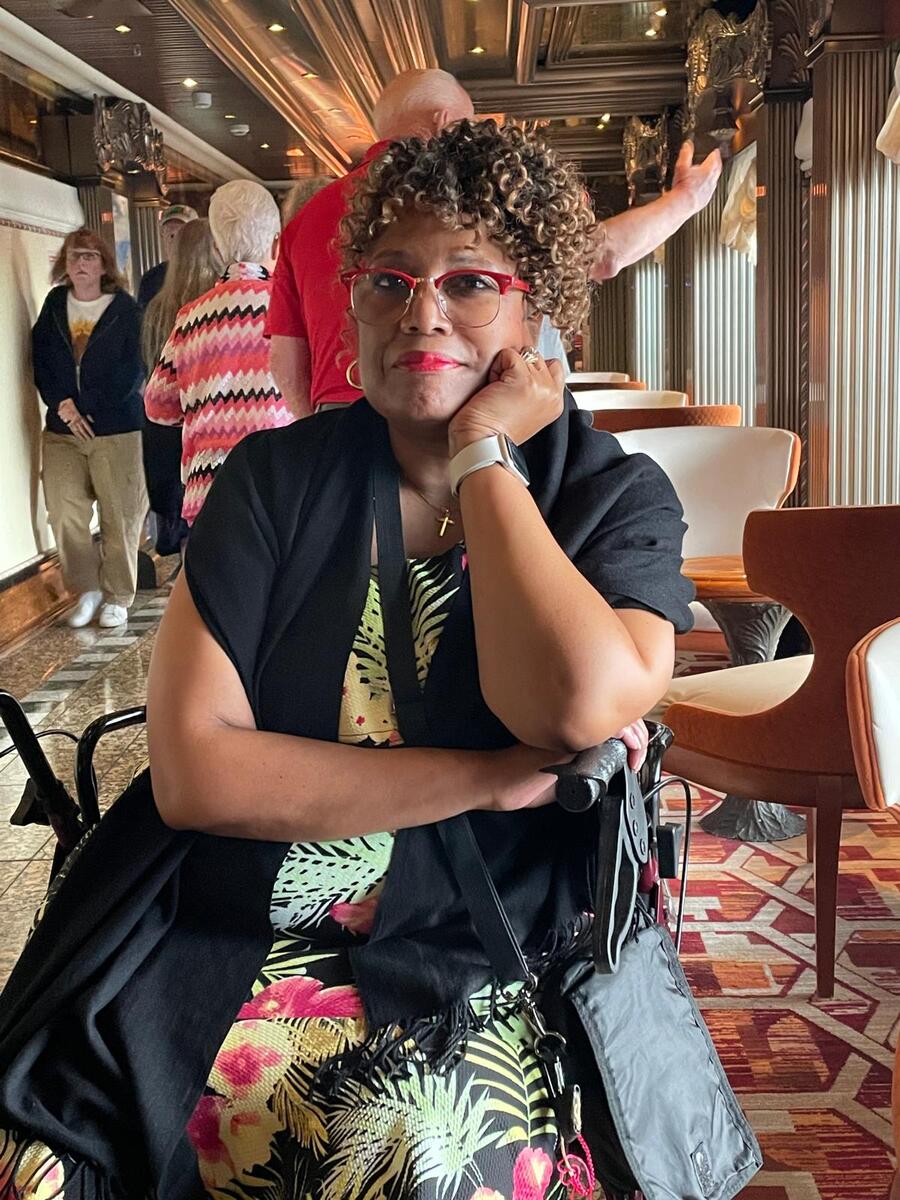
Every leader has faced moments where tears threatened to surface. For many women—especially those in male-dominated environments—the unwritten rule has always been simple: don’t cry at work. To show emotion is to be seen as weak. But here’s the truth: crying doesn’t disqualify you from leadership. When paired with self-regulation, tears can actually fuel resilience, accountability, and respect.
Linda Cureton’s stories reveal the fine line leaders walk between holding back and letting go. Emotional intelligence—and especially the dimension of self-regulation—equips leaders to navigate those moments with power, whether tears fall or not.
Challenge 1: The Rule of “No Tears at Work”
For years, Cureton interpreted self-regulation as don’t cry at work. Hold the emotions in. Don’t let internal tears become visible. In a law enforcement environment where she was often the only woman in the room, she knew crying could brand her as “weak.”
Why This Matters
Bias often punishes women for showing emotion. A man’s frustration might be read as passion; a woman’s tears are read as fragility. Leaders who face this double standard must find ways to balance authenticity with perception.
The Reframe
Self-Regulation ≠ Suppression: It’s not about hiding feelings but managing them wisely.
Choose the Outlet: Sometimes the safest place to cry is at home, not at work.
Control the Narrative: Tears don’t have to derail credibility if followed by action.
Pro Tip: Self-regulation isn’t about never crying—it’s about knowing when and how to express emotion.
Challenge 2: Holding It Together in Public
In one story, Cureton faced intense criticism in an executive staff meeting over a difficult IT migration. The deputy director opened with “with all due respect”—a prelude to harsh disrespect. She stood her ground, took the “bullets,” and held back tears until she got home.
Why This Matters
The ability to stay composed in the moment preserved her credibility. But the release at home gave her the space to process her emotions fully.
The Reframe
Use Delayed Release: Holding tears for later can protect presence without denying the emotion.
Seek Safe Outlets: Cureton cried with her husband, in private, allowing vulnerability without workplace risk.
Transform Emotion Into Energy: By the next day, she turned tears into a plan of action.
Lesson Learned: Sometimes resilience is measured not in never crying, but in choosing the right time to let tears fall.
Challenge 3: Turning Tears Into Action
Instead of hiding, Cureton went “straight into the lion’s den.” She visited every field division across the country—Chicago, Miami, Dallas, Seattle—listened to complaints, and created action plans. What started as a humiliating experience became an opportunity to gain respect.
Why This Matters
Tears didn’t discredit her. Her follow-through proved she was accountable, responsive, and resilient.
The Reframe
Face Critics Directly: Show up in the toughest rooms with openness and courage.
Invite Honest Feedback: Saying, “Go at me” disarmed critics and turned frustration into dialogue.
Model Accountability: Ownership of failure creates respect that perfection never could.
Real Talk: Leadership isn’t about avoiding failure—it’s about owning it, learning from it, and responding with strength.
Challenge 4: Earning Respect Through Accountability
Cureton’s willingness to “take the bullets” turned doubters into partners. Field staff saw her as more than an executive—they saw her as accountable. By standing in front of them, taking criticism, and acting on it, she built trust and credibility that no polished presentation could have achieved.
Why This Matters
Accountability transforms perception. Instead of being the executive who “failed,” she became the leader who listened, acted, and rebuilt trust.
The Reframe
Accountability Builds Partnership: Leaders who listen create allies instead of adversaries.
Tears Don’t Erase Respect: They humanize leaders, making accountability more authentic.
Resilience Creates Legacy: Surviving criticism and responding with strength earns long-term credibility.
Leadership Hack: The strongest leaders don’t avoid criticism—they invite it, absorb it, and grow from it.
Challenge 5: The Balance of Self-Regulation
Cureton’s two stories—one of holding back tears, another of crying in the office—show that there’s no single “right” way. Both were valid. In one case, composure protected credibility. In another, tears accompanied clarity and courage.
Why This Matters
Self-regulation is about discernment, not denial. Emotional intelligence allows leaders to know when to restrain, when to release, and how to recover.
The Reframe
Balance Emotion and Action: Let emotion inform decisions, not control them.
Redefine Strength: Tears don’t signal weakness—they signal humanity.
Model Resilient Leadership: Show that it’s possible to cry and still lead with confidence.
Key Insight: Self-regulation isn’t about being emotionless—it’s about being intentional.
Conclusion: Tears Don’t Cancel Leadership
Cureton’s story proves a counterintuitive truth: crying doesn’t diminish leadership—it can enhance it. Whether held back or expressed, tears become powerful when paired with accountability, resilience, and action.
For mid-career professionals navigating the pressures of visibility and respect, the lesson is clear: you don’t have to deny your humanity to lead. You just have to regulate it with wisdom.
This week, reflect on a recent moment when emotions rose at work. Ask yourself: Did I regulate or suppress? Did I let emotion guide me into action? Remember: crying isn’t the end of composure—it can be the beginning of respect.